
The Rule of 3 and Other Timeless Decorating Rules Designers Swear By
| Transparency Note: This article may contain affiliate links. If you purchase through these links, we may earn a commission at no extra cost to you. These partnerships help us continue to provide high-quality, free content and decor inspiration for our community. |
The rule of three, choosing balance over strict symmetry, repeating elements for cohesion, and paying attention to scale are all decorating guidelines you can always go back to when in doubt.
Think of them as the fundamental, ever-so-reliable decorating rules designers return to again and again.
But first, it’s important to mention that these rules aren’t meant to be rigid laws. Rather, they’re beginner-friendly tools that take the guesswork out of the creative process. By understanding how odd numbers attract the eye or how the right-sized rug anchors a room, you can style your home with newfound confidence.
In this simple guide, we’ll start with the foundational rule of three, then proceed to practical, timeless strategies that will help you master your home’s decor in no time.
What Is the Rule of Three in Decorating?
The rule of three in decorating is a styling principle based on the idea that odd-numbered groupings (three being the sweet spot) are more appealing, memorable, and effective than even-numbered groupings.
The goal here is typically to create visual interest by guiding the eye through a composition. Humans are naturally wired to seek patterns. While even numbers create symmetry, odd numbers create a sense of movement and organized chaos that feels more natural and less clinical.
Take these three vertical shelves, for instance, and notice how they create visual movement:

Credits: Stephen Zoo
This rule is a powerhouse for small-scale styling. It works exceptionally in areas such as:
| Place | Decor Item Examples |
| Coffee tables | A tray, a candle, and a small plant. |
| Shelves | A leaning piece of art, a stack of books, and a decorative bowl |
| Consoles | A tall lamp, a medium vase, and a small trinket dish. |
| Bedside tables | A clock, a carafe of water, and a stack of two books (counting as one unit). |
And the list goes on.
- Three color variations add dimension to a room where two colors feel flat, and four feel overwhelming.
- Wall decor collections also look more intentional in threes. You don’t even have to overthink the arrangement. Something as simple as this tapestry already creates depth just by repeating three elements.
- When styling a corner, pick three items at different heights, like a plant, a chair, and a stand.
- Three different textures in a room is a safe starting point for playing around with texture, etc.
For a relatable example, imagine a bare entryway table. If you place two identical candles on it, it looks formal and stiff. However, if you swap one candle for a tall vase and add a small brass object, you’ve applied the rule of three successfully, like so:

This creates a visual weight that feels effortlessly curated.
How to Use the Rule of Three Without Overthinking It
The secret to mastering simple decorating rules is to focus on variety rather than just the number. To make the rule of three work, vary the heights, textures, and shapes of your items.
If you have three items of the same height, they will blur together. Instead, aim for a high-medium-low silhouette. This vertical variety keeps the eye engaged.
While variety is key, you also need a thread of consistency. Keep a loose, cohesive color story. Perhaps two items share a metallic finish while the third pulls a color from your rug.
As usual, home styling rules are meant to be flexible. It’s perfectly okay to break the rule once you’ve gained confidence. Sometimes a rule of five works better for a long dining table, or a single hero object is all a minimalist corner needs.
And if a grouping of two feels right to you, trust your gut!
Other Timeless Designer-Approved Decorating Rules
While the rule of three is a fantastic starting point, it works best when supported by other timeless decorating rules.
These additional designer-approved guidelines are the silent partners that help you elevate any room. They focus on the bigger picture—how pieces relate to one another and the room as a whole.
Balance Over Symmetry
In balanced room decor, the goal is to distribute visual weight evenly throughout a space without necessarily mirroring every side. Symmetry, on the other hand, aims to provide an immediate sense of order.
The problem is that symmetry can often feel stiff or staged. On the contrary, balance creates a relaxed, intentional look by focusing on visual heaviness.
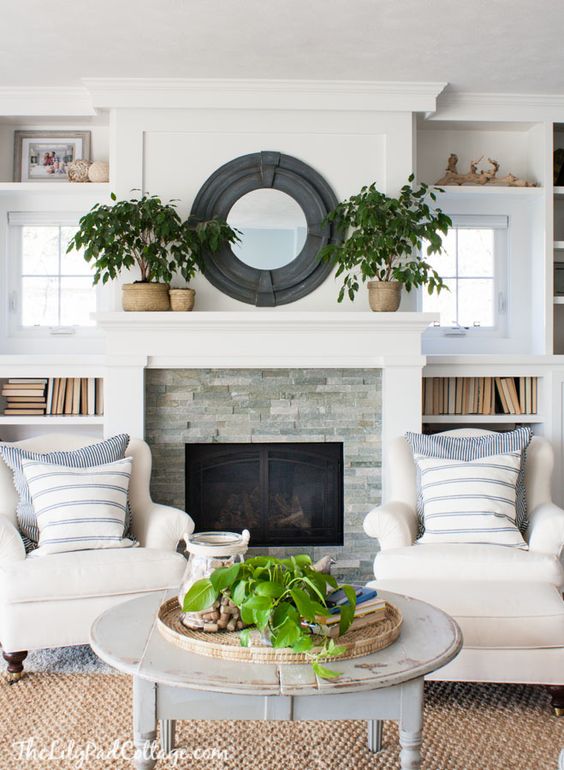
For example, two identical chairs flanking a fireplace create symmetry.
Credits: House by Hoff
For visual contrast, you might have one large armchair on the left balanced by a smaller chair, a floor lamp, and a side table on the right.

Credits: Spruce
:max_bytes(150000):strip_icc():format(webp)/creating-and-defining-a-focal-point-452316-hero-12b1e2eb9f494e439d09e73f620c1fb6.jpg)
In a bedroom, you could have a traditional nightstand on one side of the bed and a small desk on the other. Both sides feel full, but the asymmetry adds character and prevents the room from feeling like a furniture showroom. The side with the desk could look like this:

Credit: Apartment Therapy
Repetition Creates Cohesion
The power of repetition makes a space look cohesive and ties everything together. Repetition involves taking a specific element—like a color, a material, or a shape—and echoing it throughout the room.
This creates a visual trail that the eye follows, making the design feel like a unified thought rather than a collection of random items.
You can apply repetition with very little effort:
- Materials: Repeat matte-black accents in the cabinet hardware, a picture frame, and a lamp base.
- Shapes: If you have a round coffee table, try incorporating a round mirror or circular patterns in your coasters.
- Colors: If you have a navy blue pillow, place a navy blue book on the coffee table, and choose a piece of art with hints of navy.
Designer Reynard Rowell, however, advises using different shades of the same color when using color to create repetition across your living space. This, he says, helps the home feel cohesive and avoids the “boring matchy matchy” trap.

Scale and Proportion Matter More Than Trends
Arguably, the most important rule of interior styling is getting the scale right. You can buy the trendiest furniture in the world, but if the pieces are the wrong size for the room, the space will never feel comfortable.
Timeless home decor relies on items that fit the proportions of the architecture. Common mistakes often involve shrinking the decor:
- Rugs: A rug that is too small makes a room look tiny. Ideally, all furniture legs (or at least the front legs) should sit on the rug.
- Art: A tiny frame on a massive wall looks lost. Art should generally cover two-thirds to three-quarters of the wall space above a piece of furniture.
- Lighting: A small pendant light over a large dining table feels unbalanced.
When in doubt, go slightly larger. Larger pieces often make a small room feel grander, whereas many small pieces can make a room feel cluttered.
FAQs: Decorating Rules
1. What are the basic decorating rules for beginners?
The basic interior design rules for beginners center on balance, scale, repetition, and simplicity. Focus on the Rule of Three for small surfaces, ensure your rug is large enough for your seating area, and repeat a single accent color at least three times in a room.
2. Is the rule of three a real design rule?
Yes, the rule of three decorating principle is a legitimate styling tool used by professionals. It is rooted in the Rule of Odds, a concept also found in photography and graphic design. Objects arranged in odd numbers are more dynamic and less static than even-numbered groups, making them more visually engaging to the human brain.
3. Can you break decorating rules?
Absolutely. Interior design rules are only guidelines. However, the best designers know that you must understand why a rule exists before you can break it effectively. There is a big difference between intentional rule-breaking (like choosing a tiny rug for a specific eclectic look) and accidental rule-breaking (buying a tiny rug because you didn’t measure). Once you understand balance, you can play with imbalance.
Start Small, Style with Confidence
At the end of the day, decorating rules are simply tools designed to help you express your personality more clearly.
They shouldn’t feel like restrictions; they are the guides to effortless home styling. By leaning on principles like the Rule of Three and proper scale, you remove the stress of decorating and replace it with experimentation.
Trust your taste, start small, and keep in mind that your home can evolve over time.